%2Ffit-in%2F250x250%2Fusers%2Ffa8a8e23-0147-48f3-aff5-3eb45d105576%2Fimages%2F63fb76f7-88dd-4d71-832d-f87c16c5f827.jpg&w=1920&q=100)
/users/fa8a8e23-0147-48f3-aff5-3eb45d105576/ratecard/2f9bd58fad8a68d992ba89a21fb84a2f-mi560hsn.jpg)
%2F300x300%2Fusers%2Ffa8a8e23-0147-48f3-aff5-3eb45d105576%2Fratecard%2F2f9bd58fad8a68d992ba89a21fb84a2f-mi560hsn.jpg&w=256&q=75)
%2F300x300%2Fusers%2Ffa8a8e23-0147-48f3-aff5-3eb45d105576%2Fimages%2Ffishing-tours-naples-2448.jpg&w=256&q=75)
%2F300x300%2Fusers%2Ffa8a8e23-0147-48f3-aff5-3eb45d105576%2Fimages%2Fredfish-caught-fishing-tour-fl-3017.jpg&w=256&q=75)
%2F300x300%2Fusers%2Ffa8a8e23-0147-48f3-aff5-3eb45d105576%2Fimages%2Fsheepshead-fishing-tour-fl-2939.jpg&w=256&q=75)
%2F300x300%2Fusers%2Ffa8a8e23-0147-48f3-aff5-3eb45d105576%2Fimages%2Fthrilling-fishing-adventure-florida-2381.jpg&w=256&q=75)
%2F300x300%2Fusers%2Ffa8a8e23-0147-48f3-aff5-3eb45d105576%2Fimages%2Ffishing-tours-naples-2396.jpg&w=256&q=75)
%2F300x300%2Fusers%2Ffa8a8e23-0147-48f3-aff5-3eb45d105576%2Fimages%2Fspotted-weakfish-florida-fishing-2564.jpg&w=256&q=75)
%2F300x300%2Fusers%2Ffa8a8e23-0147-48f3-aff5-3eb45d105576%2Fimages%2Fgrey-snapper-fishing-tour-naples-2796.jpg&w=256&q=75)
%2F300x300%2Fusers%2Ffa8a8e23-0147-48f3-aff5-3eb45d105576%2Fimages%2Fbest-fishing-trip-2302.jpg&w=256&q=75)
%2F300x300%2Fusers%2Ffa8a8e23-0147-48f3-aff5-3eb45d105576%2Fimages%2Fsuccessful-fishing-expedition-2360.jpg&w=256&q=75)
%2F300x300%2Fusers%2Ffa8a8e23-0147-48f3-aff5-3eb45d105576%2Fimages%2Fsuccessful-fishing-trip-2376.jpg&w=256&q=75)
Expert-Guided Naples Fishing: Inshore Family Fun
 525 Newport Dr, Naples, FL, United States
What you will be catching:
 Black Drum
 Redfish
 Sea Trout
 Sheepshead
 Snook
Snook
- 2.5-hour private fishing trip for up to 6 guests
- Family-friendly catch-and-release adventure with gear provided
- Expert-guided exploration of Ten Thousand Islands backwaters
Trip Pricing and Availabilities:
Family-Friendly Fishing in Naples' Backwaters
Get ready for a laid-back morning of fishing in the stunning Ten Thousand Islands with Captain William. This 2.5-hour private charter is perfect for families, kids, and anyone looking to wet a line without the hassle. We'll cruise through calm waters, spot local wildlife, and show you the ropes of light-tackle fishing. Whether you're after Redfish, Snook, or just want to enjoy being on the water, this trip has something for everyone.
What to Expect on the Water
Our mornings start early, but trust me, it's worth it. We'll meet at the dock, load up the boat, and head out into the maze of mangrove islands. The backwaters here are like glass most mornings, making it easy for even the littlest anglers to spot fish. I'll get you set up with light tackle – nothing complicated, just the right gear to have fun and catch fish. We practice catch-and-release on these trips, so bring your camera to snap some quick pics before we send 'em back. And keep your eyes peeled – we often see dolphins, manatees, and all sorts of birds along the way.
Fishing 101: Backwater Basics
If you've never fished before, don't sweat it. I'll show you everything you need to know, from how to cast to setting the hook when you get a bite. We use simple techniques like live bait fishing and soft plastics that are easy to learn. The backwaters are shallow, so we'll often be sight-fishing – that means actually seeing the fish before we cast to them. It's a blast, especially when you spot a big Redfish tailing in the shallows. For the more experienced anglers, we can break out some artificial lures and work on your finesse techniques.
Top Catches This Season
The Ten Thousand Islands are teeming with fish year-round, but each season brings its own stars. In the cooler months, Redfish and Black Drum are the heavy hitters. As things warm up, Snook become more active, and you might even hook into a monster. Sea Trout are always around, and they're great for beginners because they're eager biters. Sheepshead show up in force during the winter, hugging structure and giving a great fight on light tackle. No matter when you come, there's always something biting in these waters.
Species You'll Want to Hook
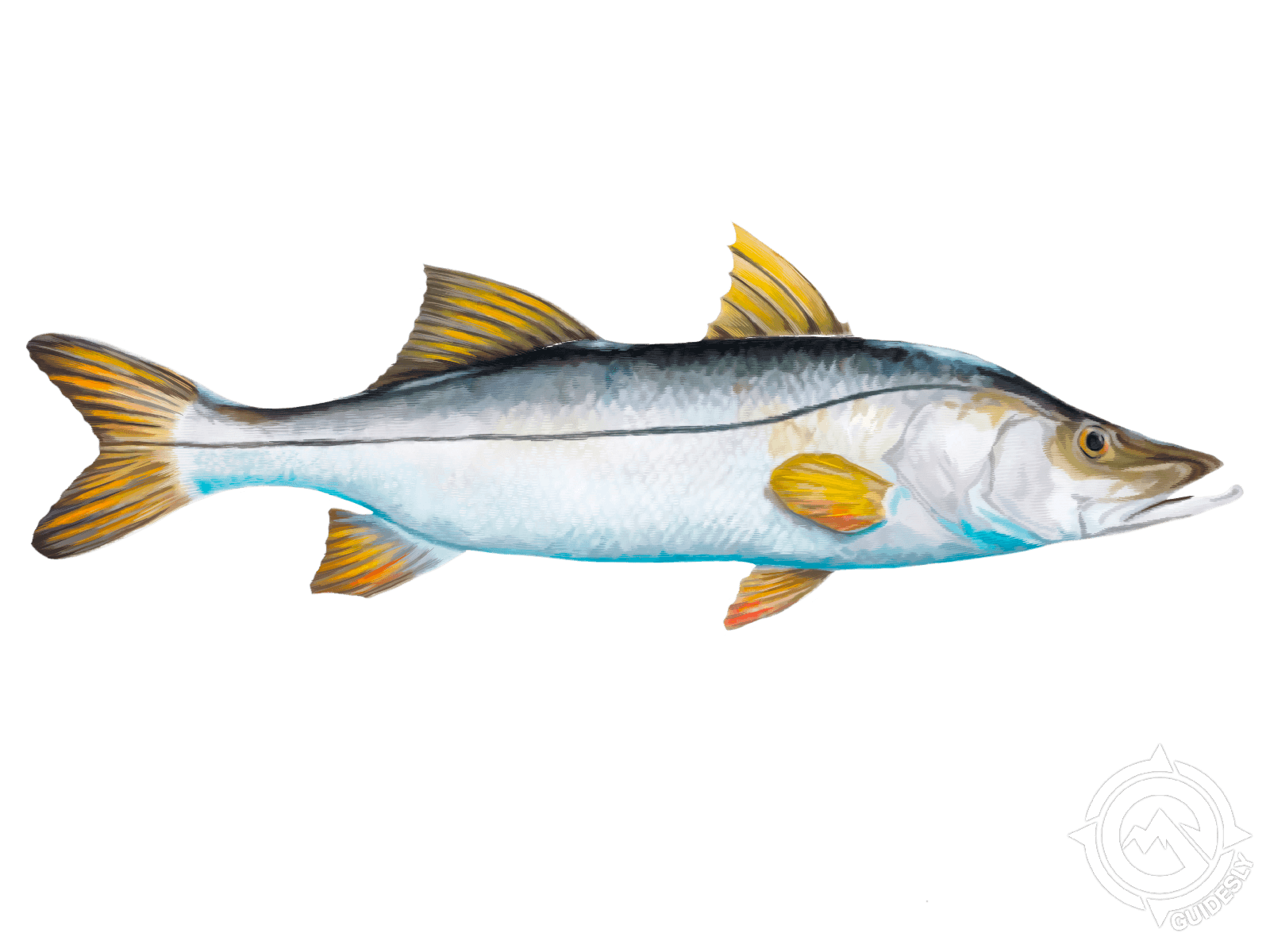
Snook: These are the rock stars of inshore fishing. Snook are ambush predators that love to hang around mangrove roots and oyster bars. They're known for explosive strikes and acrobatic jumps when hooked. The bigger ones can top 40 inches and put up a fight you won't soon forget. Spring and fall are prime Snook seasons when they move in and out of the backcountry.
Redfish: Also called Red Drum, these copper-colored beauties are a favorite among anglers. They've got a distinctive black spot on their tail, and when they're feeding in shallow water, you can often see their tails sticking up out of the water. Redfish are bottom feeders, so we'll use techniques that get the bait down where they're looking. Fall is the best time for big schools of Redfish, but we catch them year-round.
Sea Trout: Spotted Seatrout are abundant in the backwaters and are often the first fish kids catch on these trips. They're not picky eaters, which makes them great for learning. Sea Trout have a soft mouth, so setting the hook gently is key. These fish are most active in the cooler months but can be caught all year.
Black Drum: Cousins to the Redfish, Black Drum are bulldogs of the backwater. They can grow to over 100 pounds, but the ones we usually catch are in the 5-20 pound range. Black Drum feed by feel and smell, often rooting around on the bottom for crabs and shrimp. Winter is prime time for Black Drum, and they're a great option when other species are slow.
Sheepshead: These striped fish are nicknamed "convict fish" because of their black and white bars. They're notorious bait stealers with human-like teeth that they use to crush barnacles and crabs. Sheepshead fishing requires finesse and patience, but they're delicious if you decide to keep one for dinner. Winter is the best time to target them around docks and pilings.
Why Anglers Keep Coming Back
Naples isn't just a place to fish – it's a whole experience. The Ten Thousand Islands are like a maze of fishing hotspots, and every trip is different. One day you might be sight-casting to tailing Redfish, the next you could be battling a big Snook under the mangroves. It's not just about the fish, either. The scenery is stunning, and the wildlife encounters make every trip memorable. Plus, these backwaters are protected from the wind, so we can usually find good fishing even when the weather isn't perfect offshore.
Time to Book Your Spot
If you're looking for a chill morning on the water that the whole family can enjoy, this is it. We keep things simple, fun, and focused on making memories. Whether you're teaching the kids to fish or just want to escape the hustle for a few hours, these backwater trips deliver. All the gear is provided, the fishing is easy to learn, and the setting can't be beat. So grab the family, bring your sense of adventure, and let's go catch some fish in the Ten Thousand Islands. The fish are biting, and the water's calling – book your trip now and let's make some fishing memories!
Learn more about the species
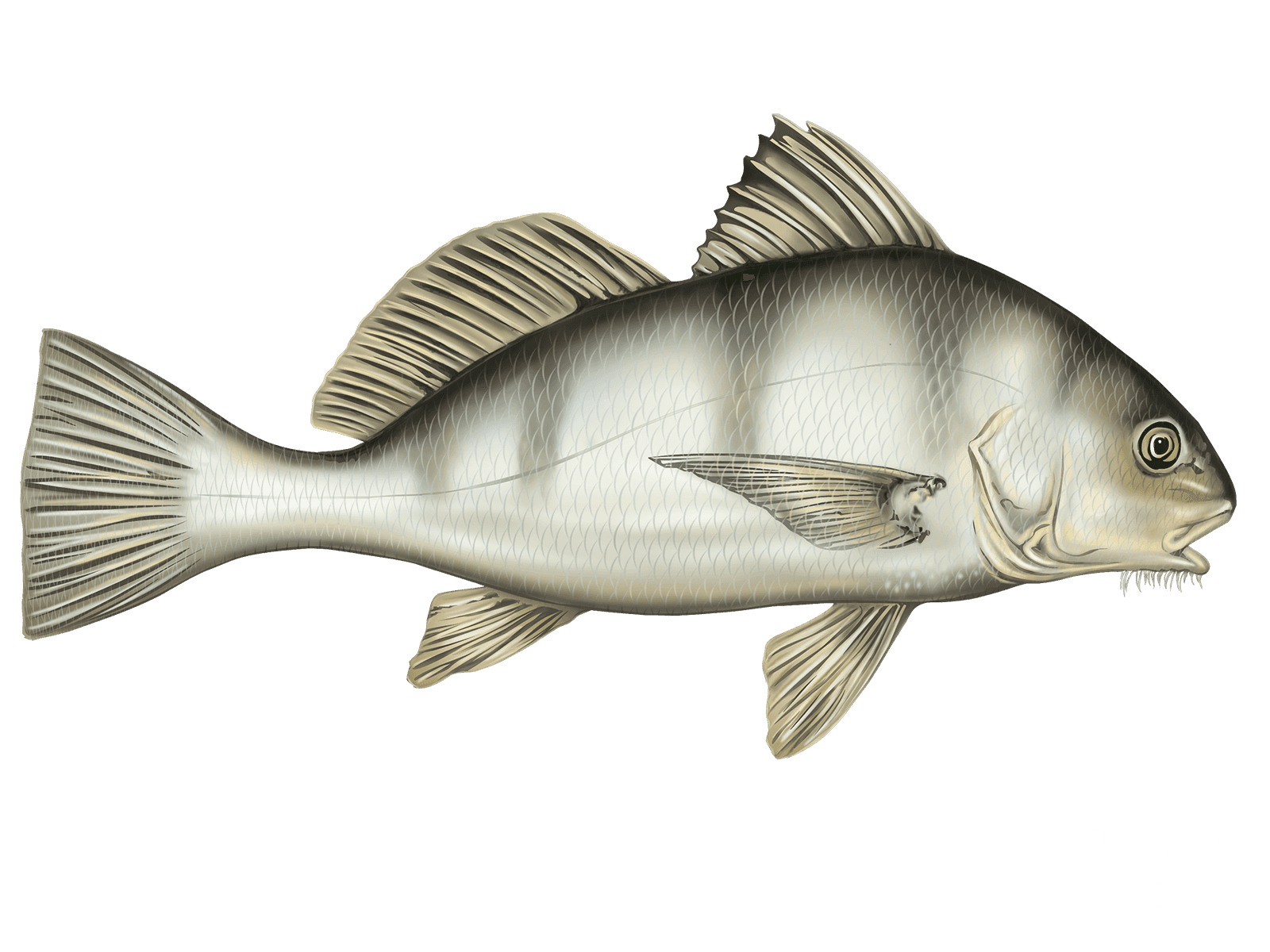
Black Drum
Black drum are the gentle giants of our backwaters. These fish can grow huge, with some topping 90 pounds, though most we catch are in the 5-30 pound range. Look for them around oyster beds and muddy bottoms in 3-6 feet of water. They use those powerful jaws and teeth to crush shellfish, so fresh crab or shrimp are your best bets for bait. Spring is prime time as they school up to spawn. Drum put up a stubborn, dogged fight - not as flashy as some species, but they'll test your arms for sure. Smaller ones under 15 pounds are great eating, with sweet, flaky white meat. Here's a local tip: when you feel that telltale thump-thump of a drum nibbling your bait, wait until you feel steady pressure before setting the hook.
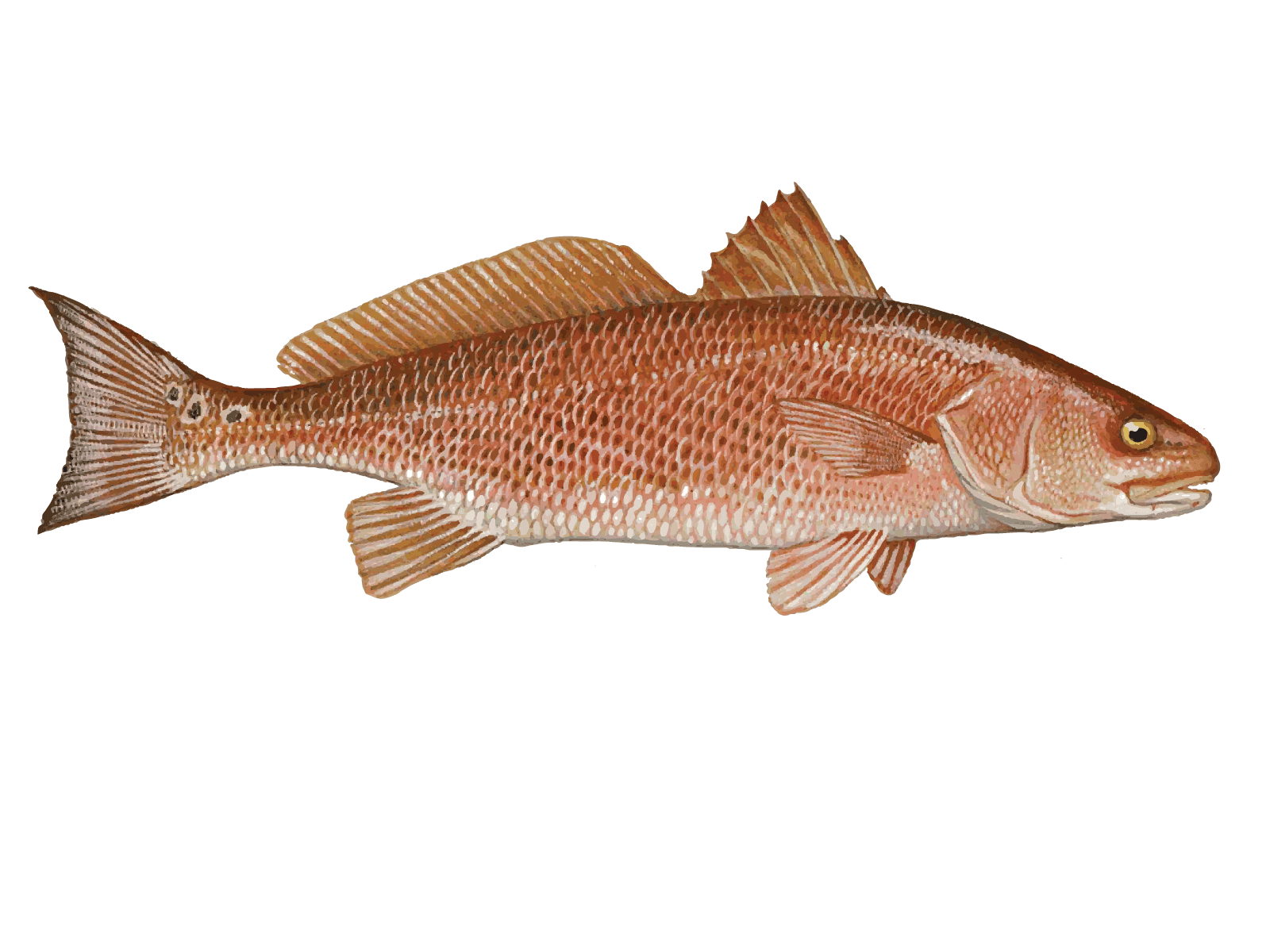
Redfish
Redfish are one of our most popular targets, and for good reason. These bronze beauties usually run 18-27 inches in our backwaters, but bulls over 40 inches are possible. Look for them tailing in super shallow water, often less than 2 feet deep. They love hanging around oyster bars and mangrove shorelines. Fall is prime time as they school up, but you can catch them year-round. Redfish are known for powerful runs, often stripping line on that first surge. Anglers love sight-fishing for them, watching that copper body materialize as you work a lure or bait. For a real thrill, try throwing topwater plugs in the shallows. There's nothing like seeing a big red explode on your lure. Just remember to check current regulations, as limits can change.
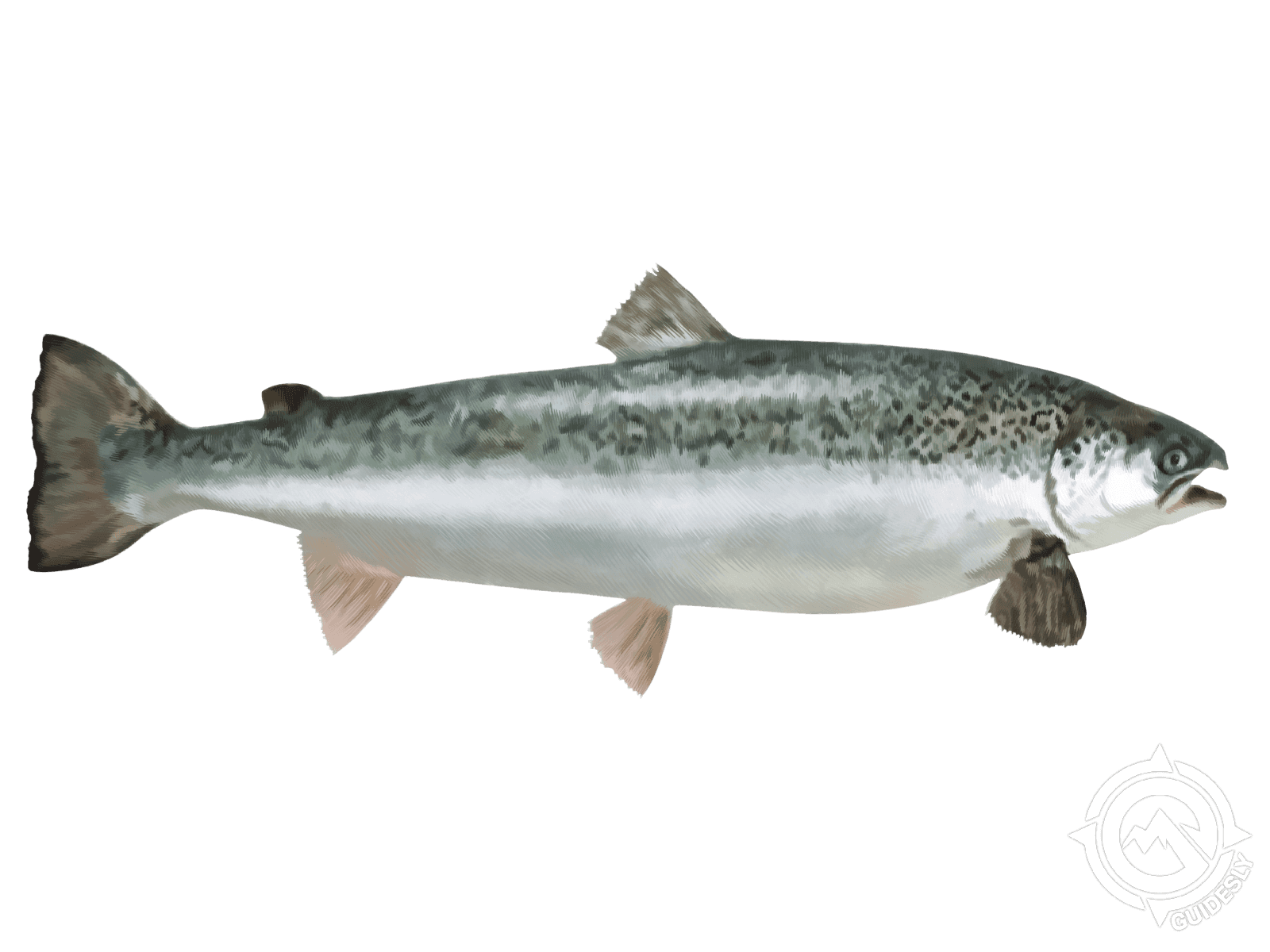
Sea Trout
Sea trout, also called speckled trout, are a staple of our backwater fishing. Most run 14-20 inches and 1-3 pounds, though gator trout over 5 pounds aren't uncommon. Look for them over grass flats and around mangrove edges, especially early morning and evening. They're aggressive feeders, which makes them fun to catch on both live bait and artificial lures. A local favorite is to work a soft plastic jig slowly across the bottom. Fall through spring offers the best action as water temperatures cool. Trout put up a decent fight with some head shakes, and they're one of the tastiest fish in the bay. Just remember to release the big spawners over 20 inches to keep the population healthy.
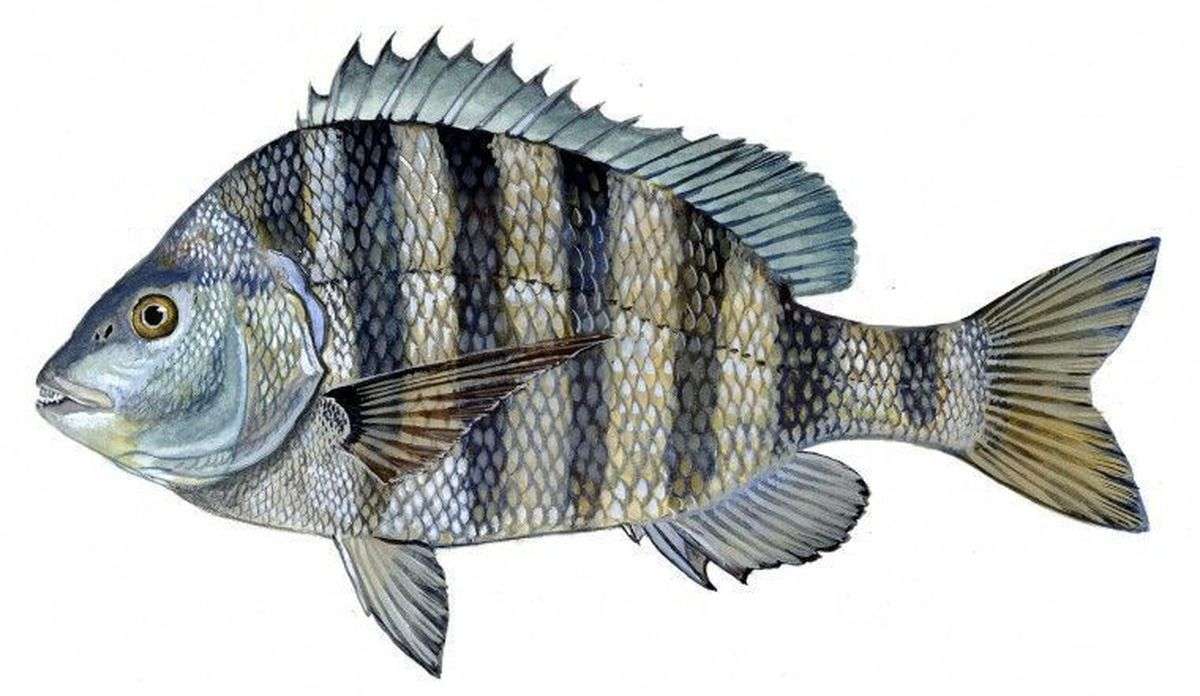
Sheepshead
Sheepshead are one of the more unique-looking fish you'll catch around here. Those black and white stripes earned them the nickname "convict fish." Most run 1-5 pounds, hanging around docks, bridges, and other barnacle-covered structures. They're craftier than they look - sheepshead are notorious bait stealers with those human-like teeth. Fiddler crabs or pieces of shrimp are your best bet. Winter and early spring are prime seasons when they school up. Anglers enjoy the challenge of hooking these clever fish, plus they're excellent eating. The meat is sweet and firm, similar to snapper. Pro tip: use a small, sharp hook and set it quick when you feel the bite. Their mouths are tough, so you need to drive that hook home fast.
Snook
Snook are a prized catch here in Naples. These sleek predators usually run 1-3 feet long and put up an amazing fight. You'll find them lurking around mangroves, docks, and other structures in our shallow backwaters. Spring and fall are prime seasons as snook move between inshore and offshore areas. Anglers love targeting them for their powerful runs and acrobatic leaps. The meat is excellent too, with a mild, slightly sweet flavor. To land a big snook, try using live bait like pilchards or pinfish and let it drift naturally with the current. Patience is key - snook can be picky, but when they bite, hang on tight! Just remember, snook are catch-and-release only from December through February to protect the spawning population.
About the Kids Time Fishing
%2F%2Fusers%2Ffa8a8e23-0147-48f3-aff5-3eb45d105576%2Fvehicle_picture%2Fboatpic1-mho3e8qv.jpg&w=1920&q=75)
Vehicle Guest Capacity: 6
Manufacturer Name: Yamaha
Maximum Cruising Speed: 45
Number of Engines: 1
Horsepower per Engine: 250
